

How to buy a home, step by step.
A practical, no-pressure walkthrough of the home buying process — from pre-approval to closing day and beyond.
Start with step oneSeven steps, from pre-approval to move-in day
Jump to any step, or read start to finish.
1. Pre-Approval
Understand what you can afford before you start touring homes.
2. Finding an Agent
Find someone who represents your interests, start to finish.
3. House Hunting
Tour homes with a clear list of what actually matters to you.
4. Making an Offer
Put together an offer with terms that fit your situation, not just a price.
5. Inspection & Appraisal
Get the home checked out, and let your lender confirm its value.
6. Closing Day
Sign the paperwork, hand over funds, and get the keys.
7. After You Move In
Settle in, get organized, and get to know your new neighborhood.
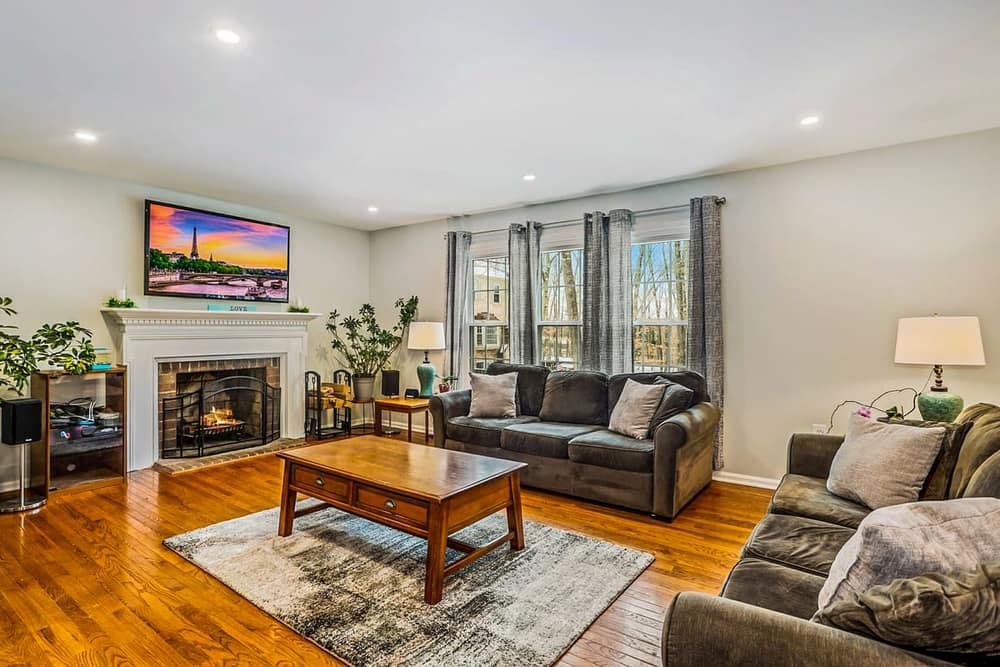
Get pre-approved before you start looking
Getting pre-approved for a mortgage is usually the first real step in buying a home. A lender reviews your income, debts, credit, and savings, then tells you approximately how much you may be able to borrow. That number helps you set a realistic budget before you fall for a home that's out of reach.
Pre-approval is different from pre-qualification. Pre-qualification is a quick, informal estimate based on numbers you self-report. Pre-approval usually involves the lender verifying your income and pulling your credit, and results in a letter you can show sellers — many sellers and listing agents expect to see one before taking an offer seriously.
Shopping around with more than one lender can be worthwhile, since rates, fees, and loan programs vary. Ask what documents they'll need (pay stubs, tax returns, bank statements) so you can move quickly once you're ready to make an offer.

Find an agent who works for you
A buyer's agent represents your interests during the search, negotiation, and closing process — helping you evaluate homes, understand local market conditions, and navigate the paperwork. Compensation is typically negotiated as part of the transaction rather than always paid directly out of pocket by the buyer, though the specifics can vary and are worth asking about upfront.
Look for someone who knows the neighborhoods you're considering, communicates the way you prefer, and is responsive — home buying often moves fast once you find the right place. Don't hesitate to ask about their recent experience with homes similar to what you're looking for.
A good agent will also help you understand what you're seeing during showings: things that are cosmetic versus things that could be expensive to fix, how a home compares to recent nearby sales, and how to think about your offer strategy.
Talk with our team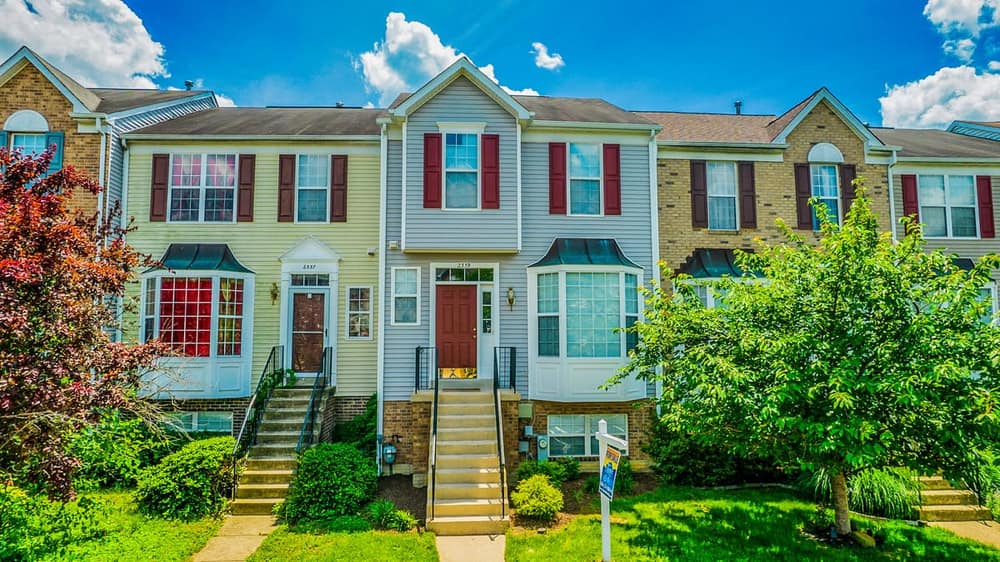
Start touring with a clear list of priorities
Before you start touring, separate your must-haves from your nice-to-haves: bedrooms, commute distance, school boundaries, outdoor space, or a specific style of home. It's easier to compare properties once you know what actually matters to you.
Take notes and photos at every showing — homes can start to blur together after a few visits. Pay attention to things that are hard to change, like lot size, layout, and location, and treat cosmetic issues like paint or dated fixtures as far less important than they might feel in the moment.
It's common to see a number of homes before making an offer, and it's normal to need more than one round of touring as your priorities get sharper. This step is what everything else is built on, so take your time with it.
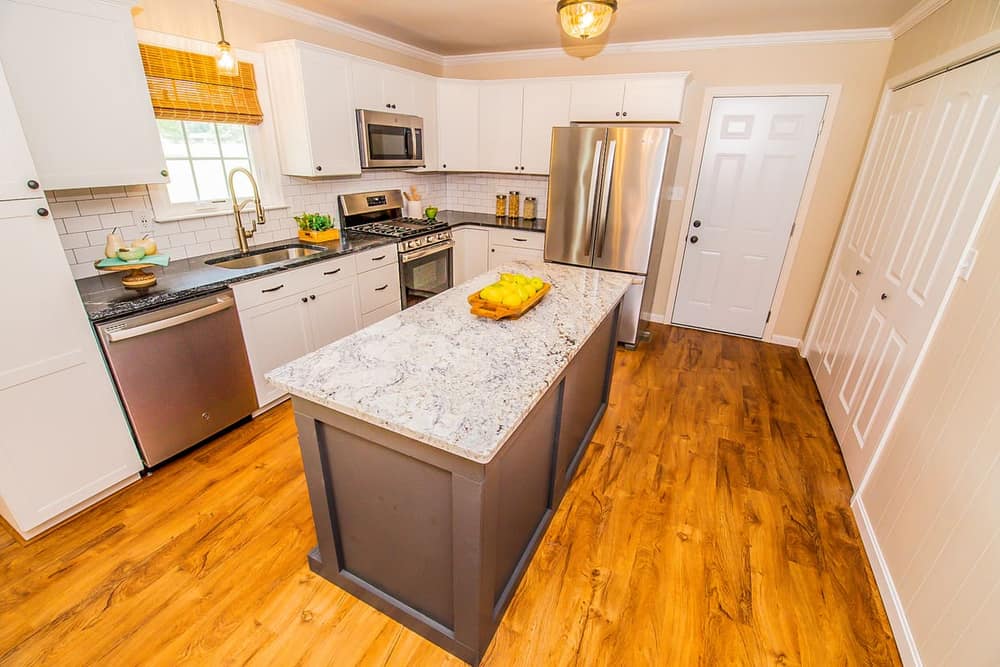
Put together an offer that fits the situation
Your agent will help you research recent comparable sales to land on an offer price, and put together the other terms that matter just as much as price: your financing type, requested closing date, and any contingencies — conditions that let you back out or renegotiate, most commonly tied to financing, a home inspection, or the appraisal.
If you're also selling a home to buy this one, that adds another moving piece — you may need a contingency tied to selling your current home, or a plan for bridging the timing between the two closings.
The seller can accept your offer, reject it, or come back with a counteroffer on price or terms. It's common to go back and forth more than once before both sides agree — try not to take it personally; it's a normal part of the process.
Selling your current home too? Read our seller’s guide
Get the home inspected, and let the lender order an appraisal
A home inspection is a general, non-invasive look at a property's condition — typically the roof, foundation, electrical, plumbing, HVAC, and structural elements — performed by a professional inspector you hire. It's meant to help you understand what you're buying, not to certify that a home is defect-free.
If the inspection turns up significant issues, you and the seller can negotiate: the seller might agree to make repairs, offer a credit, or adjust the price — or you might decide to walk away if your contract allows it. What's negotiable often depends on your specific contract and local practice, so lean on your agent here.
Separately, if you're financing the purchase, your lender will order an appraisal — an independent estimate of the home's value used to confirm the loan amount they're willing to lend against the property. If the appraisal comes in lower than the agreed price, that can affect financing and may need to be resolved before closing.
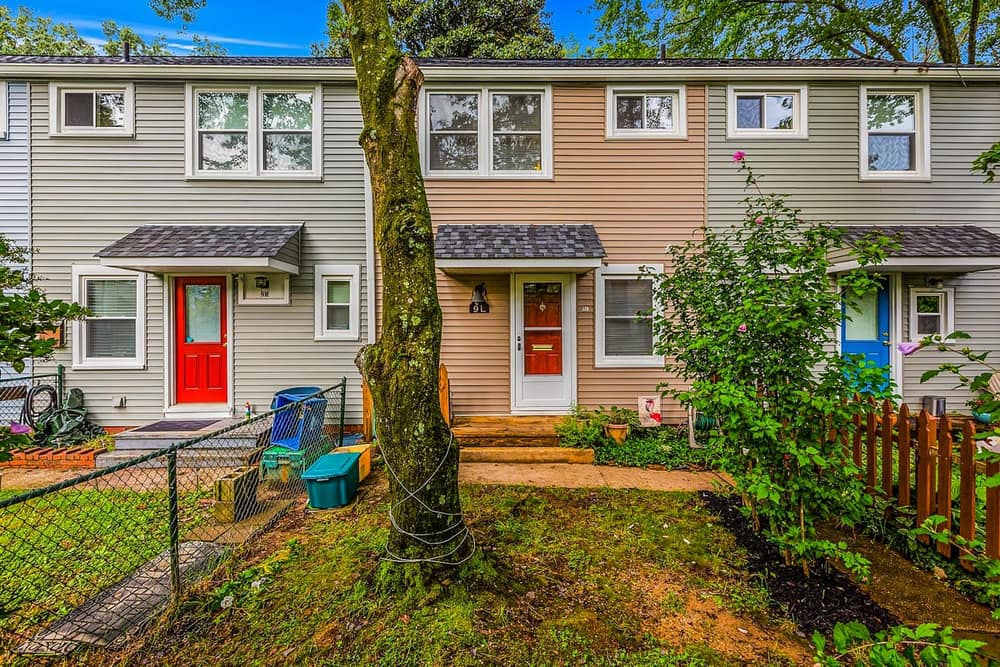
Sign the paperwork and get the keys
Closing is when ownership officially transfers from the seller to you. You'll review and sign a stack of documents — the details and exact process vary by state and even by transaction, so your agent and the closing professional handling your file will walk you through what to expect for yours.
Before closing, you'll typically do a final walkthrough of the home to confirm its condition hasn't changed since your last visit, and you'll need to bring funds for your down payment and closing costs in whatever form your closing professional requires.
Once everything is signed and funds are transferred, you'll get the keys. Plan for it to feel like both a milestone and a to-do list at the same time.
What's after the keys
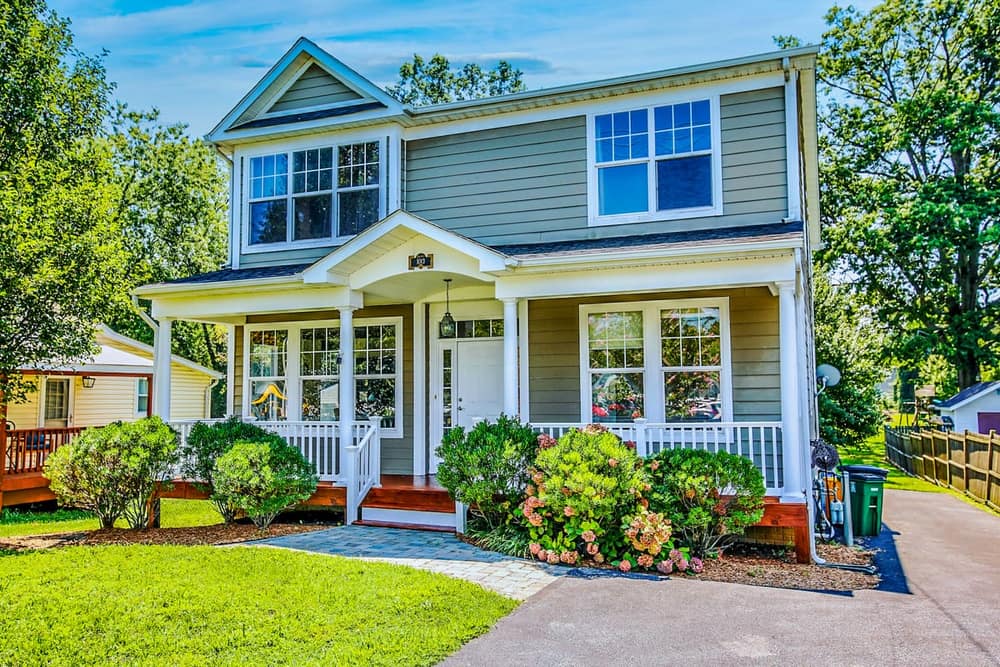
The first few months in a new home usually come with a mix of settling-in tasks: updating your address, transferring or setting up utilities, understanding your homeowner's insurance policy, and learning your property's own quirks — where the water shutoff is, which breaker controls what, and how the HVAC filters get changed.
It's worth keeping a folder — physical or digital — with your closing documents, inspection report, and warranty information. You'll likely want to reference them down the road, especially for renovations or an insurance claim.
Getting to know your new neighborhood is part of the process too — local guides, community resources, and simply talking to neighbors can help a house start to feel like home.
Explore buyer resources by topicA few things buyers ask us
Ready to start looking?
Browse current listings in Annapolis, or talk with our team about your specific situation and timeline.