
Top Expenses of living in the Greater Annapolis Area that you need to know
Planning to move to Annapolis? Discover the key expenses you need to know about, including electric, water, property taxes, insurance, and housing costs. Get a detailed breakdown to help you budget effectively when relocating to the Annapolis area.

Moving to a new area involves more than just finding the right home. Understanding the costs associated with living there can help you budget more effectively and avoid surprises. The Greater Annapolis area is a beautiful region with rich history, vibrant communities, and stunning waterfront views, but it also comes with specific expenses that can add up. Here are some of the top expenses you’ll want to keep in mind if you're considering a move to the Annapolis area.
Electricity Costs
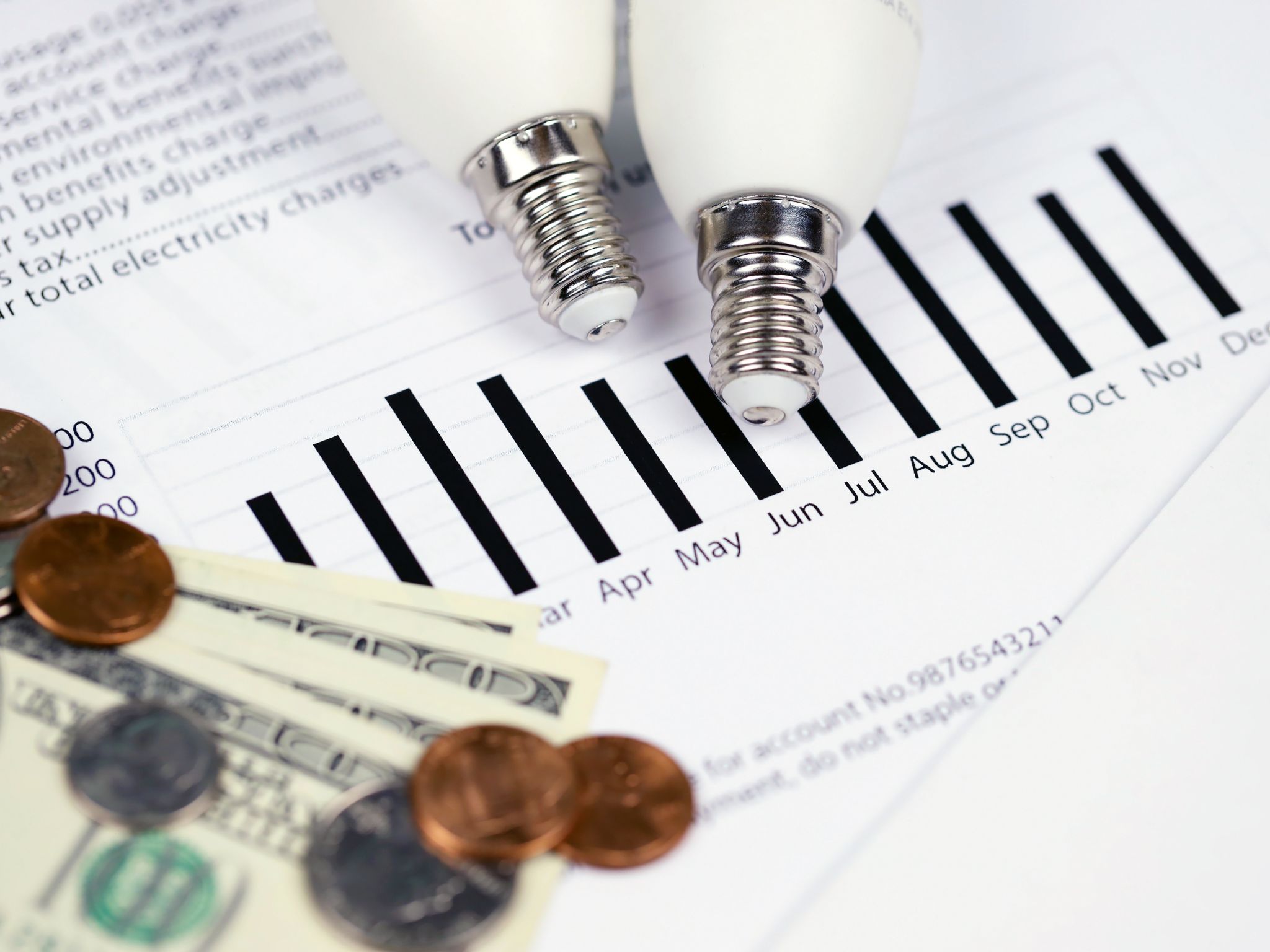
Your electric bill in the Annapolis area depends on several factors - house size, energy efficiency, and how you use heating or air conditioning. Homes with open floor plans and high ceilings can drive up costs, especially in larger properties. For instance, the electric bill for a 2,000 sq ft home without high-energy appliances like a Tesla charger or heat pumps is typically around $350 per month. However, if you add an EV charger or a second heat pump, costs could rise significantly, with monthly bills ranging between $500 to $800. It's also important to note that electric rates are expected to increase starting October 2024, so current estimates may be higher than previous rates. For a more accurate estimate, you can contact Baltimore Gas and Electric and provide the address of your potential home - they’ll give you the average bill for the past year.

Water and Sewer Costs
Water and sewer services in Annapolis are generally considered affordable compared to larger metropolitan areas. For a typical family home, residents can expect to pay around $140 per quarter. Smaller homes, townhouses, or condos with fewer occupants may see lower costs, ranging from $50 to $75 per quarter.
However, if you live in more rural parts of the Greater Annapolis Area, your property might not be connected to the public water system. In these areas, homes often rely on private well water and septic systems. While well water is a cost-saving option in terms of monthly utility bills, it comes with other long-term expenses. Routine maintenance of well systems is crucial to ensure water quality and functionality. Homeowners should budget for biannual inspections, which usually involve replacing filters and salt for water softeners. These routine checks can cost between $130 to $150 every six months, depending on the size of your system and local service rates.
For septic systems, there are additional costs related to regular pumping, which is recommended every three to five years to prevent backups and system failure. The average cost of septic system pumping in the area can range from $300 to $600, depending on the size of the tank and how long it’s been since the last service. Proper maintenance of both well water and septic systems is vital to avoiding costly repairs down the line.
While these costs may seem small in the short term, they are important considerations when planning your overall budget for living in the Greater Annapolis Area.

Property Taxes
In Annapolis, property taxes are calculated as a percentage of your home's assessed value. On average, you can expect to pay around 1.1% of your home's assessed value in property taxes. This percentage is relatively standard, but there are notable differences based on your specific location. For properties within the Annapolis city limits, the property tax rate is slightly higher, generally around 1.5%.
To put this into perspective, let's consider a home valued at approximately $640,000. At an average rate of 1.1%, you would be looking at an annual property tax bill of around $7,040. However, if your property is situated within the city limits of Annapolis, where the rate is higher, this tax bill could increase to about $9,600 annually.
It’s important to note that property tax rates can fluctuate based on a variety of factors. The assessed value of your home is determined by the local tax authority and can change due to market conditions, improvements made to the property, or reassessment cycles. Additionally, tax rates and regulations can be adjusted by local governments, impacting the amount you pay each year.
Understanding how property taxes are calculated and the potential for rate changes is crucial when planning your budget. Homeowners should also be aware that these taxes are typically billed annually, which requires setting aside funds throughout the year to cover this significant expense.
To manage property tax costs effectively, consider appealing your home’s assessed value if you believe it is too high. Many homeowners find that working with a real estate professional or tax advisor can help navigate this process. Staying informed about local tax policies and any proposed changes can also help you anticipate future costs and make more informed decisions about your property investment.

Homeowners Insurance
One of the most critical expenses you’ll encounter when owning a home in the Greater Annapolis area is homeowners insurance. This essential coverage protects your investment against a variety of potential risks, such as fire, theft, and natural disasters. In this coastal region, insurance plays an even bigger role due to its proximity to water, making it a crucial aspect of homeownership that residents must budget for.
In the Greater Annapolis area, homeowners insurance typically ranges from $1,800 to $2,200 per year for standard coverage, with higher premiums for more valuable homes. The actual cost will vary based on multiple factors, including the value and size of your home. For instance:
Homes up to $400,000 typically incur an average insurance cost of $150 per month.
Homes between $400,000 and $800,000 see an average insurance cost of $175 per month.
Homes valued over $800,000 can expect to pay around $250 per month in insurance.
Condos, on the other hand, tend to have much lower rates, with an average insurance cost of around $65 per month.
These figures highlight how insurance costs scale with the purchase price of a home. This is especially true for higher-value properties, which often come with greater insurance-related risks, particularly if they are located near the water.
Factors Affecting Your Insurance Premium
Home Value: The higher the value of your home, the more it will cost to insure. Larger properties and those with high-end features or custom-built elements will generally carry higher premiums to cover the increased replacement cost.
Location: The Greater Annapolis area includes a variety of neighborhoods, some located near water. Homes closer to the Chesapeake Bay or other bodies of water may face higher risks for floods, hurricanes, or erosion, which insurance companies take into account. As a result, waterfront properties often come with higher insurance costs due to the potential for weather-related damages.
Roof Condition: Recently, insurance companies have become stricter about the condition and age of roofs. With increasing storms and climate change, coupled with contractors claiming storm damage to replace roofs, insurers are tightening their standards. In some cases, they may refuse to insure homes with significantly aged or damaged roofs. However, exceptions may still apply depending on specific conditions.
Risk Factors:
Aside from water-related risks, other factors can increase insurance costs, such as the age of your home or its construction materials. Older homes may be more susceptible to wear and tear, making them riskier to insure. Similarly, homes with older roofs, outdated electrical systems, or inferior construction materials may incur higher premiums.
Type of Coverage: Standard homeowners insurance covers the structure of your home and personal belongings. However, if you want to add extra protection—such as flood insurance, which is not typically included in standard plans—you can expect additional costs. In the Annapolis area, flood insurance may be particularly relevant due to the frequent storms and flooding that occur during hurricane season.
Flood Insurance
Living near the Chesapeake Bay and its tributaries brings scenic beauty and proximity to nature, but it also comes with a higher risk of flooding. Whether from rising sea levels, storm surges, or excessive rainfall, flooding is a significant concern in the Annapolis area, making flood insurance an important expense to factor in when considering living costs.
Depending on where your home is located, flood insurance may be mandatory. If your property is in a designated flood zone, as determined by the Federal Emergency Management Agency (FEMA), your mortgage lender will likely require you to carry flood insurance. These zones are areas that are at a higher risk of flooding, typically those closer to the water.
Even if your property isn't in a high-risk flood zone, it doesn’t mean you’re safe from potential flooding. Severe weather events have been on the rise in recent years, with storms becoming more frequent and intense. While flood insurance may not be mandatory for homes in lower-risk areas, it can still be a wise investment to protect your property from unexpected damage. Flooding can happen anywhere, even in areas that aren’t considered high-risk
Cost of Flood Insurance
Flood insurance premiums vary greatly depending on several factors:
Home’s Elevation: Homes situated at higher elevations will typically pay less for flood insurance compared to those at or near sea level.
Proximity to Water: Homes closer to the coast or other bodies of water are naturally at a higher risk of flooding, leading to higher premiums.
Replacement Costs: The amount of coverage you need will affect your premium. This is calculated based on the cost to rebuild your home, should it be completely destroyed by a flood.
For optional flood insurance in a lower-risk area, homeowners can expect to pay around $700 annually. However, if your home is located in a high-risk flood zone, costs can range from $1,000 to $5,000 per year, depending on the specific risk level and property details.
For waterfront properties, flood insurance costs vary significantly based on the hazard zone and elevation. Homes located in hazard zones can expect to pay an average of $1,500 to $3,500 annually. However, not all waterfront properties fall into hazard zones. If your waterfront home is outside these zones, flood insurance may be more affordable, typically ranging from $800 to $1,200 per year.
Even if you live in an area that isn’t classified as high-risk, investing in flood insurance could save you from catastrophic financial loss. Standard homeowners insurance policies do not cover flood damage, which means that without flood insurance, you would be responsible for covering the full cost of any repairs or rebuilding out of pocket.

Car Insurance
Car insurance rates in the Annapolis area are generally affordable compared to some other parts of the country, but they can still vary widely depending on several factors. For adult drivers with newer cars and over three years of driving experience, premiums typically range between $600 and $800 per six months with a clean driving record (no accidents or violations in the past 3-5 years) and if the driver is on a policy with a multi-car or home insurance discount.
For families with teenage drivers—who are newly licensed or have less than three years of driving experience—the rates are significantly higher. Teenagers can expect to pay double the rates of experienced drivers, averaging between $800 and $1,300 per six months if they have a newer vehicle with comprehensive and collision coverage. However, discounts like Good Student or Drivers Training can help reduce the overall cost.
The value and type of vehicle also play a crucial role in determining insurance rates. Luxury cars, sports cars, and vehicles that are expensive to repair typically have higher premiums due to increased theft risks and costly replacement parts. On the other hand, standard vehicles that are safe and economical often come with lower premiums.
While car insurance in the Greater Annapolis area may not be the highest living expense, it remains a significant factor that homeowners and families need to consider. By understanding the factors that affect your premiums and taking advantage of available discounts, you can strike a balance between adequate protection and affordability.
Boat Insurance
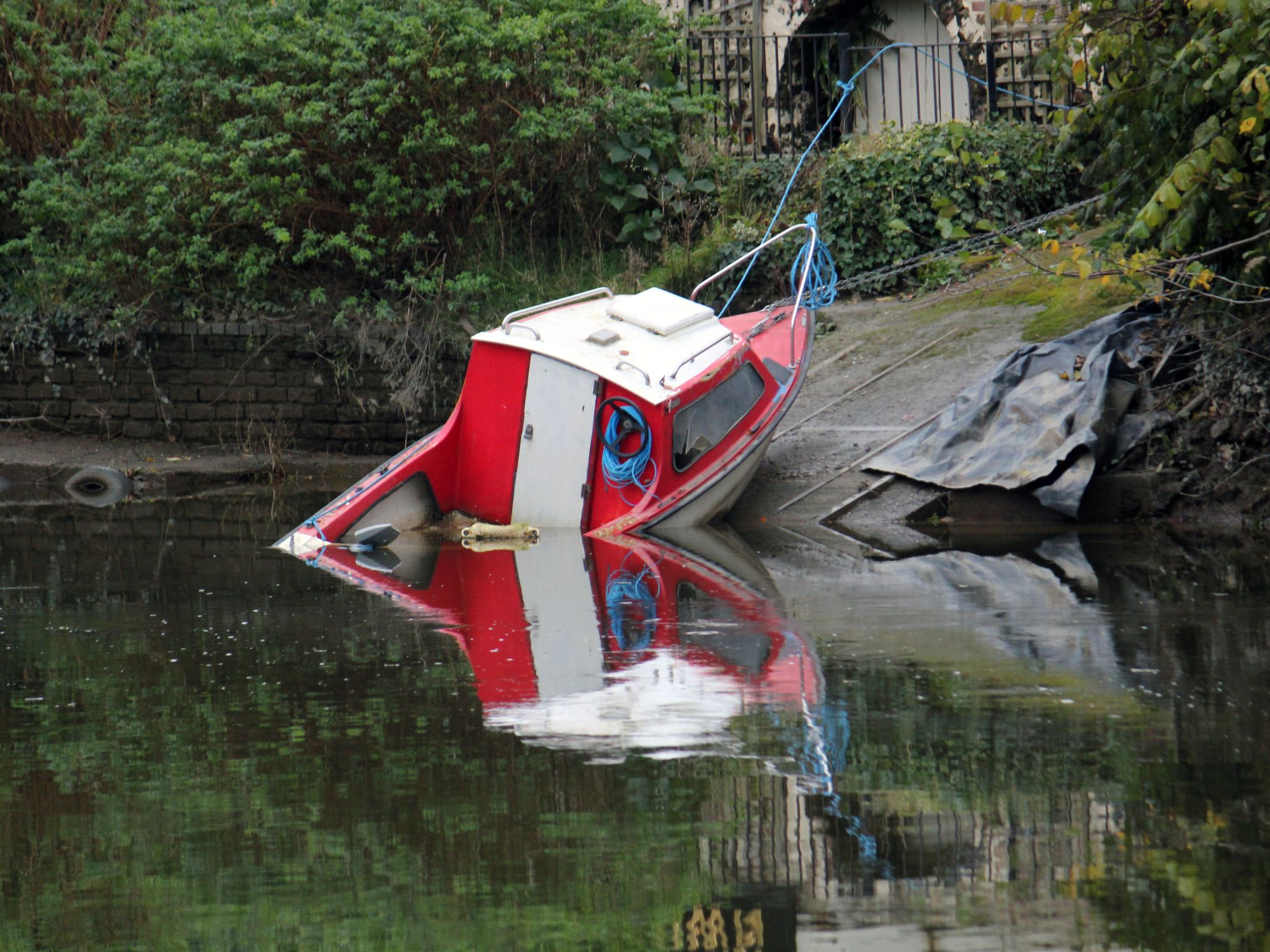
Boat insurance is designed to protect you financially in the event of an accident, damage, theft, or other unforeseen events involving your boat. It typically covers liability, physical damage to your boat, medical payments, and even towing if your boat breaks down. In Maryland, boat insurance isn't legally required, but it’s strongly recommended, especially considering how much time many residents and visitors spend on the water.
Not only does insurance protect your vessel, but it can also cover costs related to damages or injuries to others if you’re found responsible in an accident. Some marinas even require proof of insurance before allowing you to dock, making it even more crucial for boat owners.
The cost of boat insurance can vary significantly depending on multiple factors, including the type, age, and size of the boat you own, as well as how often you use it and where you store it. In general, boat insurance costs for a mid-sized wakeboarding boat in Annapolis are around $1,200 annually, which translates to roughly $100 per month. However, this is just a ballpark figure.

Tow Boat Insurance
Tow boat insurance operates similarly to roadside assistance for cars, such as AAA, but for the water. Imagine you’re out on the bay, enjoying a beautiful day, when suddenly your boat breaks down due to engine trouble, a dead battery, or you run aground on an unseen sandbar. Without tow boat insurance, you're looking at potentially steep fees to get your boat safely towed back to shore.
Companies like TowBoatUS and SeaTow provide annual subscription services that ensure you won’t face those costly towing fees in the event of a breakdown. I personally use SeaTow and have had a great experience with the captain who owns the Annapolis area franchise, though I know others who prefer TowBoatUS. It doesn’t really matter which you choose, as both offer similar pricing and services. What’s important is having a membership—one emergency tow could easily cost more than the membership itself. Instead of paying hundreds (or even thousands) of dollars out of pocket during an emergency, this insurance covers the cost of towing, giving you peace of mind whenever you're on the water.

House Prices
When considering moving to the Greater Annapolis area, one of the most crucial factors to account for is housing expenses. The local real estate market can be complex, and understanding the nuances of house prices in this region will help you make an informed decision. Here's a comprehensive look at housing costs and what you can expect.
Housing in the Greater Annapolis area stands out as one of the most significant expenses for residents. According to recent data, the median sale price for homes in Anne Arundel County is approximately $415,000. However, if you have your sights set on Annapolis itself, you should anticipate higher costs. The median price for homes in Annapolis is around $475,000.
For those seeking more space or upscale living, prices can soar considerably. Larger homes or those with premium features and amenities often start around $640,000 and can easily climb to $1 million or beyond, especially if located in highly desirable neighborhoods with waterfront access or modern, high-end finishes.
Starter Homes and Condominiums: If you're in the market for a more affordable option, starter homes, condos, and townhouses can offer a more budget-friendly entry into the real estate market. These properties typically cost less than the median home price and can be a great choice for first-time buyers or those looking for a more manageable investment.
Luxury Homes: On the opposite end of the spectrum, luxury homes in Annapolis and its surrounding areas can exceed $1 million. These properties often feature expansive living spaces, high-end finishes, and premium locations such as waterfront access, which significantly drives up their value.
Waterfront Properties: Homes with direct access to water or picturesque views are highly sought after, and as such, they command premium prices. Waterfront properties often come with a higher price tag, reflecting their coveted locations and the lifestyle they offer.
Living in the Annapolis area comes with many great perks, but it’s important to understand the full picture when it comes to costs. From utility bills to flood insurance, this guide gives you a comprehensive look at the key expenses you should be aware of when planning a move to this beautiful and vibrant area.