Buying vs. Renting in Crofton, Maryland: Making an Informed Decision
Discover the pros and cons of renting vs. buying a home in Crofton, Maryland. Explore financial considerations, long-term wealth building, and lifestyle flexibility to help you make the best choice for your future in this sought-after community.
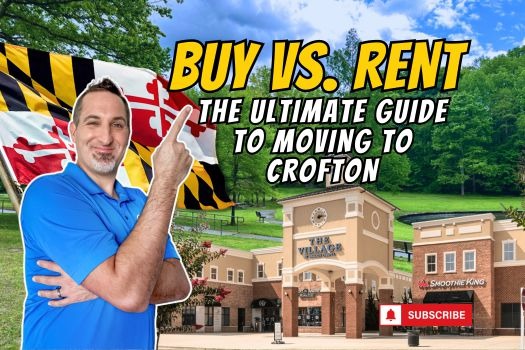
Crofton, Maryland is one of the most sought-after communities in Anne Arundel County, and for good reason. Nestled between Annapolis, Baltimore, and Washington, D.C., Crofton offers a perfect blend of suburban tranquility and urban convenience. If you’re thinking about moving to this charming area but are unsure whether to rent or buy a home, this comprehensive guide will help you make an informed decision.
In this article, we’ll break down the key considerations—financial, lifestyle, and long-term goals—so you can decide whether renting or buying a home in Crofton is right for you.
1. Financial Considerations: Upfront Costs and Ongoing Expenses
One of the first questions you need to ask yourself is how much you're willing and able to spend upfront. The financial aspect of renting vs. buying is often a major deciding factor.
Renting: Lower Upfront Costs, Fewer Long-Term Commitments
Renting a home in Crofton typically requires less money upfront. In Maryland, it’s standard practice to pay the first month’s rent plus a security deposit equal to one month’s rent before you move in. For instance, if you're renting a property at $2,000 per month, you’ll need $4,000 to secure the rental. This includes the first month's rent and a security deposit, which is refundable as long as the property remains in good condition when you move out. Some landlords might also charge a pet deposit or additional fees, but these are generally minimal compared to the costs of buying.
Renting doesn’t require a long-term financial commitment beyond the lease term, which is typically 12 months. After that, you have the flexibility to renew, move, or renegotiate the lease, depending on your circumstances. This makes renting ideal for those who are unsure about their long-term plans or don’t have significant savings to put toward homeownership.
Buying: Higher Upfront Costs, Long-Term Investment
On the other hand, purchasing a home in Crofton requires a significantly higher upfront financial commitment. If you’re buying a home for $400,000, you’ll need a down payment, which could range from 3.5% to 20% of the home’s value, depending on the loan program you choose. A 3.5% down payment on a $400,000 home would be $14,000, but if you're able to put down 20%, that would be $80,000.
In addition to the down payment, homebuyers in Maryland also need to budget for closing costs, which typically range from 3.5% to 4% of the purchase price. For a $400,000 home, closing costs would be around $15,000, bringing your total upfront investment to about $30,000 to $95,000, depending on your down payment. While programs like the Maryland Mortgage Program can reduce the down payment requirement, the overall costs of buying are still significantly higher than renting.
However, this upfront investment does come with long-term benefits. When you buy a home, you’re not only securing a place to live—you’re also investing in an asset that has the potential to appreciate over time.
2. Long-Term Wealth Building: Renting vs. Buying for Your Financial Future
Real estate has long been considered one of the best ways to build long-term wealth, but how does that play out in Crofton?
Renting: No Equity, But Lower Risk
When you rent a home, you're not building equity—you're essentially paying for a place to live, and once the lease is up, the money you’ve spent on rent is gone. For example, if you're paying $2,000 per month for rent, that adds up to $24,000 per year or $48,000 over two years. That money doesn’t go toward any ownership stake in the property.
However, renting does come with a lower financial risk. You won’t have to worry about fluctuating property values, costly repairs, or market downturns. If the housing market dips, it doesn’t affect you directly because you don’t own the property.
Buying: Building Equity and Financial Security
On the flip side, owning a home allows you to build equity over time, which can significantly boost your net worth. As you pay down your mortgage, more of your monthly payment goes toward the principal balance of the loan, increasing the equity in your home. Over the years, as the home appreciates, you can sell it for more than you paid, potentially making a profit.
For instance, if your Crofton home appreciates by just 3% annually, a $400,000 home could be worth about $463,000 after five years. That’s a $63,000 increase in value, not including the equity you’ve built by paying down the mortgage. Additionally, owning a home opens up other financial opportunities, like taking out a home equity loan or line of credit for renovations, investments, or other expenses.
Many Crofton homeowners have found that their property becomes one of their most valuable financial assets over time, making homeownership a crucial part of long-term wealth-building strategies.
3. Flexibility: Renting for Mobility, Buying for Stability
Renting: Ideal for Short-Term Plans
If you're not planning to stay in Crofton long-term, renting may be the better choice. Renting offers greater flexibility since most leases are for one year, and you can renew or move without the long-term commitment that comes with buying. This flexibility is perfect for those who are still exploring different career options, not sure about settling down in the area, or awaiting life changes like marriage or children.
For professionals commuting to D.C., Baltimore, or Annapolis, renting in Crofton also provides an affordable way to test out the community without making a permanent commitment. You have the option to upgrade to a larger rental or purchase a home when you’re more settled in your career and personal life.
Buying: Stability for Long-Term Residents
On the other hand, if you're planning to stay in Crofton for five years or more, buying may be the better long-term financial choice. Homeownership provides stability and the chance to put down roots in the community. Once you own a home, you won’t have to worry about rent increases, and you can truly make the space your own.
However, selling a home takes time and involves costs like realtor fees, closing costs, and repairs to prepare the house for the market. If you need to move within a short time frame, you might face difficulties selling your home for a profit, particularly if the market hasn’t appreciated as expected.
4. Freedom to Personalize: Owning vs. Renting
Renting: Limitations on Customization
When you rent, your ability to personalize your living space is often limited. Most landlords don’t allow major modifications, and any changes (like painting walls or installing shelves) often need prior approval. While some landlords may allow you to make minor adjustments, you’ll likely have to restore the property to its original condition when you move out.
This limitation can be frustrating for renters who want their living space to reflect their personal style or accommodate their needs. However, for those who don’t have the time or desire to make home improvements, renting offers a low-maintenance lifestyle where someone else handles the upkeep.
Buying: Total Control Over Your Space
Owning a home in Crofton means you can truly make it your own. You can renovate the kitchen, add a deck, plant a garden, or knock down walls to create an open floor plan. Homeownership offers you the freedom to personalize and upgrade your space as you see fit, which can increase your enjoyment of the home and its resale value.
Moreover, having control over your home’s appearance and functionality can significantly enhance your living experience. Whether you want to create a home office, build a playroom for the kids, or simply paint the walls your favorite color, owning gives you the freedom to do so.
5. Maintenance and Responsibilities: Renting vs. Owning in Crofton
Renting: Less Responsibility
One of the biggest advantages of renting a home is the reduced responsibility for maintenance and repairs. When you rent, your landlord or property management company is typically responsible for the upkeep of the property, including major systems like heating, ventilation, and air conditioning (HVAC), plumbing, electrical, and roofing. If the HVAC system breaks down in the middle of winter, or a pipe bursts, it's the landlord’s job to arrange for repairs, often at no cost to you.
This hands-off approach can save renters a significant amount of time, money, and stress. As a renter, you don’t have to worry about finding contractors, covering repair costs, or taking time off work to handle maintenance issues. Instead, you can simply notify your landlord of the problem and let them handle the logistics. In many cases, rental agreements also cover routine maintenance tasks such as lawn care, pest control, and snow removal, which means you can enjoy a well-maintained home without putting in the extra effort.
For example, imagine your rental home’s roof needs repairs due to storm damage. In a homeownership scenario, you’d be looking at potentially thousands of dollars in repair costs, not to mention the time spent getting estimates and arranging the work. As a renter, however, the landlord covers these expenses, allowing you to stay focused on your daily life without the financial burden.
This convenience is particularly appealing for those who lead busy lives or aren’t handy when it comes to home repairs. Renters, especially in a place like Crofton, can enjoy a comfortable living environment without the stress of unexpected maintenance issues or ongoing property upkeep. Whether it’s routine tasks like changing air filters and landscaping or more complex issues like a malfunctioning water heater, renters have the peace of mind that they are not financially responsible for these repairs.
Another major benefit is the predictability of costs. While homeowners need to budget for potential emergencies like replacing a refrigerator or fixing a leaking roof, renters typically only have to manage predictable monthly expenses, such as rent and utilities. This financial predictability can be a huge advantage for those who prefer stability in their budgets, especially for individuals or families who are working toward other financial goals, such as saving for a down payment on a future home or paying off debt.
Buying: Greater Control, but More Responsibility
When you own a home, one of the key differences from renting is that all maintenance and repairs become your responsibility. While this increased responsibility may feel overwhelming at times, it also comes with the freedom to manage your home as you see fit.
Routine Maintenance: Protecting Your Investment
Owning a home involves a variety of routine maintenance tasks that keep the property in good condition and protect its long-term value. These can include yard work, such as mowing the lawn, trimming hedges, and maintaining landscaping, as well as regular upkeep like cleaning gutters, power-washing siding, and ensuring that HVAC systems are serviced annually. While these tasks may seem time-consuming, they are essential for preserving the appearance and functionality of your home.
For example, something as simple as clearing out your gutters might seem like a minor task, but if neglected, it can lead to water damage, leaks, and even structural issues. By staying on top of routine maintenance, you can avoid larger, costlier problems down the road. In this way, homeowners view routine upkeep not just as a chore, but as an investment in the property’s long-term value.
Unexpected Repairs: Financial and Time Commitments
In addition to regular maintenance, owning a home also means being prepared for unexpected repairs. Appliances break down, roofs leak, and plumbing issues arise—and when these things happen, it’s up to you as the homeowner to get them fixed. For instance, a broken water heater might set you back several thousand dollars, and replacing a roof could cost even more. These unexpected expenses can be a significant financial burden if you're not adequately prepared, which is why many homeowners create an emergency fund specifically for home repairs.
While renters can simply call the landlord when something goes wrong, homeowners need to either take on the repairs themselves or hire a professional. The advantage, however, is that you have full control over how and when these repairs are made. You can choose the contractors, decide on the materials, and set the schedule that works best for you. This level of control ensures that repairs are done to your satisfaction and within your budget.
One of the major benefits of owning a home is the freedom to make improvements and upgrades that suit your personal tastes and lifestyle. Whether it’s renovating the kitchen, adding an extra bedroom, or building a deck, homeowners have the liberty to make changes that not only improve their living experience but can also increase the property’s market value. While these improvements often require an initial investment, many homeowners find that they add significant value to the home over time, enhancing its appeal if and when they decide to sell.
Moreover, homeownership allows you to prioritize repairs and upgrades based on your own preferences and financial situation. For example, while replacing the roof may be a high-priority repair, aesthetic changes like repainting the walls or remodeling the bathroom can be done on your own timeline. This flexibility allows you to manage your home in a way that works for your lifestyle, budget, and long-term goals.
Long-Term Benefits: Preserving and Enhancing Home Value
The responsibilities of maintaining and repairing your home are not just about ensuring day-to-day functionality—they’re about preserving the value of your investment. A well-maintained home is more likely to appreciate over time, and when the time comes to sell, properties that have been cared for tend to attract more buyers and higher offers. For instance, a home with a recently replaced roof, updated kitchen, and properly maintained landscaping will typically stand out in the market compared to homes that have deferred maintenance issues.
Additionally, homeowners who invest in energy-efficient upgrades, such as installing new windows or adding insulation, can not only reduce their utility costs but also make their home more attractive to eco-conscious buyers in the future.
Conclusion: Which Option is Right for You in Crofton?
Whether you choose to rent or buy a home in Crofton, Maryland depends largely on your financial situation, long-term goals, and lifestyle preferences. Renting offers flexibility, lower upfront costs, and freedom from maintenance, making it a great option for those who aren’t ready for long-term commitment. On the other hand, buying provides the opportunity to build equity, personalize your space, and establish long-term financial security.
If you’re planning to stay in Crofton for the foreseeable future and have the financial resources to invest, buying may be the better option. However, if you’re still exploring the area or need flexibility, renting might be the smarter choice for now.
Regardless of which path you choose, Crofton is a fantastic place to live, offering a welcoming community, excellent amenities, and easy access to major cities. Whether you rent or buy, you're sure to enjoy all that this vibrant suburb has to offer.