
Reasons Why You Might Not Want to Move to Annapolis, Maryland
Annapolis may test you with its clogged roads, steamy summers, high prices, tight parking, and limited transit, but it also rewards you with an unparalleled mix of history, nautical beauty, and community spirit. Both homebuyers and renters should go in with eyes open about the city’s challenges, but as we’ve shown, there are data-backed reasons behind them and concrete ways to cope. By preparing for these aspects, you can ensure that the drawbacks of living in Annapolis are minimized, allowing the positives to shine. And if a few of the cons feel overwhelming, remember there are always alternative towns or creative strategies to find your perfect balance. Annapolis’s charm is enduring – with the right knowledge and tools, you can make the most of it while dodging the drawbacks. Safe travels, stay cool, mind your budget, and enjoy all that this Chesapeake Bay treasure has to offer!


Living in Annapolis, Maryland – comes with undeniable charm, but it also presents some challenges. Both homebuyers and renters need to be aware of issues like traffic congestion, steamy summers, high living costs, limited parking, and an underwhelming public transit system. Below, we expand on each drawback with data, expert insights, and tips for coping, and even suggest some alternative communities that offer similar appeal with fewer headaches.
1. Traffic Congestion
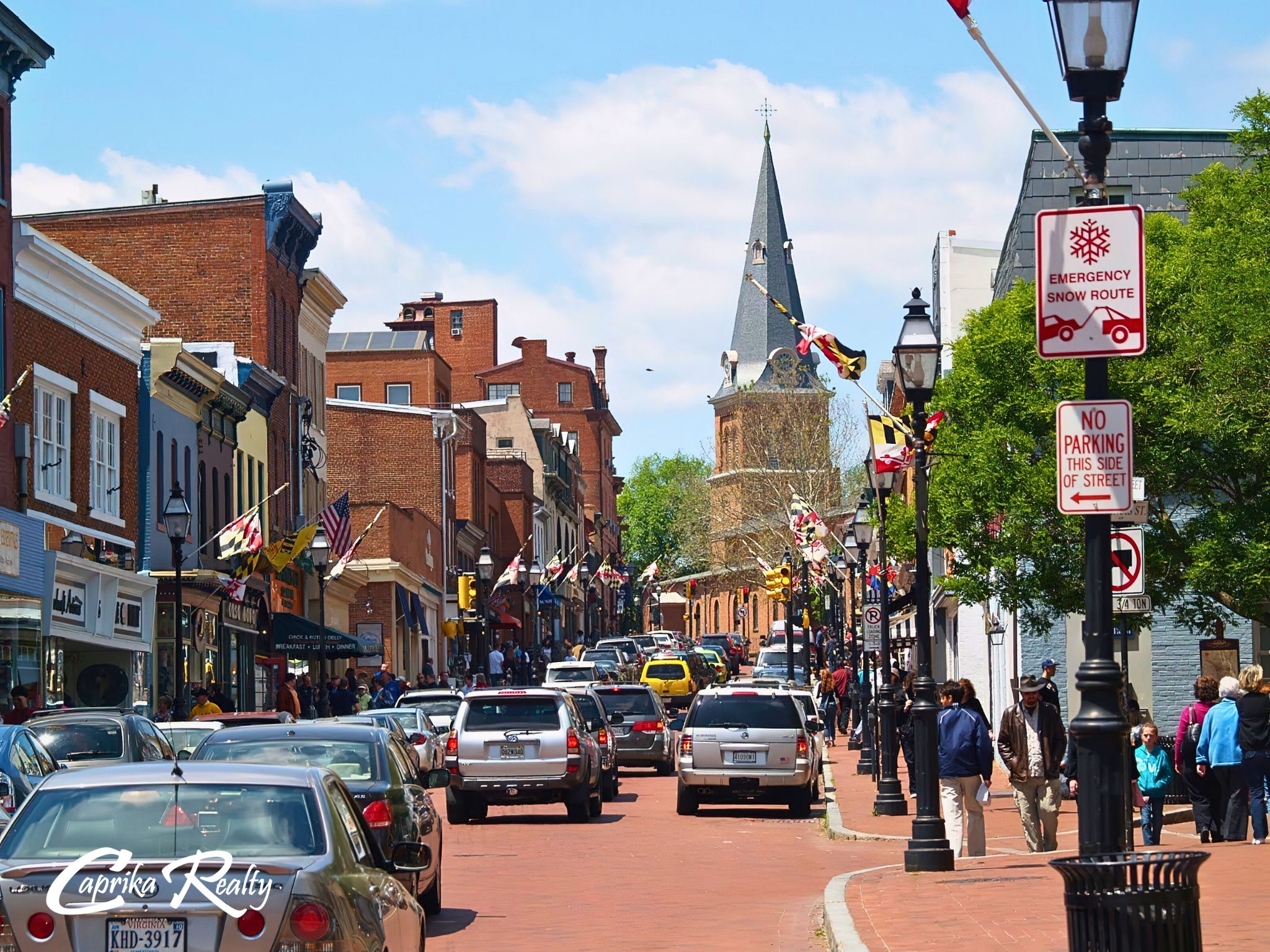
Traffic on Main Street in downtown Annapolis often slows to a crawl during peak times and tourist season. Despite Annapolis’s small size, traffic can be surprisingly heavy. The average one-way commute in Annapolis is around 26–29 minutes, slightly above the U.S. average Maryland as a whole ranks among the worst states for commute times (about 31.4 minutes on average statewide).
Key routes in and around the city regularly clog up. In fact, city planners predict that by 2030 all major routes in Annapolis will suffer severe congestion, with roads like Forest Drive, West Street, and Rowe Boulevard operating at failing levels of service during rush hour. This is exacerbated during summer tourism and the U.S. Naval Academy’s events, when thousands of visitors flood the downtown. Homeowners living in the suburbs or outskirts often face long drives into the city, and renters in town aren’t immune either – a quick errand can turn into a bumper-to-bumper crawl on a busy weekend.
Expert Insights: Transportation experts tie these delays to infrastructure limits and high car dependence. “Longer commute times here could be the fault of aging or insufficient transportation infrastructure. In cities with poorly designed road systems, bottlenecks and delays are common,” notes Matthew Woodward of Search Logistics. Local officials have acknowledged the issue: a proposed “Forest Drive Relief” road was studied to alleviate one notorious bottleneck and regional plans call for widening parts of US-50/301 to improve flow. In the meantime, when even a minor accident can gridlock the city for hours residents often feel there’s no quick escape. Commuters on forums report that if you leave Annapolis between 7–9 a.m. (or return 3–6 p.m.), you can expect at least 20–30 extra minutes of traffic delays – and up to an hour or more on bad days This rings true for both a homebuyer commuting to D.C. or Baltimore and a local renter driving to work across town.
Future Improvements: City and county leaders are working on solutions. Annapolis has invested in smarter traffic management and even emergency plans to handle road closures. A newly rebuilt Hillman Garage downtown added about 160 parking spots and improved traffic flow with modern payment and entry systems There’s talk of better signal timing and coordination with Anne Arundel County on regional traffic planning. These efforts could gradually ease some congestion, but major relief (such as new roads or transit options) is a long-term prospect.
Tips to Cope:
Timing is Key: Adjust your schedule if possible. Traveling outside of peak rush hours can turn a 45-minute crawl into a 25-minute drive. Many locals leave extra early or wait out the worst times.
Use Traffic Apps: Navigation apps (Waze, Google Maps) that offer real-time re-routing around accidents or backups are a lifesaver. They might guide you through backstreets or alternate routes unknown to outsiders.
Carpool or Telework: Homebuyers working in D.C. or Baltimore often form carpools or vanpools (Anne Arundel’s Commuter Crew helps match riders), so you can use HOV lanes and save stress. If your job permits, telecommuting a few days a week can drastically cut your time on the road.
Know Alternate Routes: Annapolis has only a few arterial roads, so when one is jammed, others overflow. Still, know the “locals’ routes” for example, using surface streets through Eastport or Forest Dr. parallels to avoid worst bottlenecks.
Stay Patient & Prepared: Keep an audiobook or playlist for long waits and follow local traffic alerts (Twitter, radio) for incident reports. It helps to mentally budget extra time on Naval Academy event days or beach travel weekends when congestion spikes.
By planning ahead and staying flexible, you can navigate Annapolis’s traffic snarls a bit more smoothly.
2. Humidity and the Chesapeake Bay Climate
Summers in Annapolis are not just hot they’re steamy and sultry thanks to the Chesapeake Bay’s influence. The region has a humid subtropical climate, meaning muggy conditions are common. On the worst summer days, temperatures soar into the 90s °F with heat indexes well over 100°F and humidity near 100%. A climate analysis shows extreme humidity for about 4.4 months of the year. From late May through September, Annapolis experiences a “muggy” or worse feeling nearly one-fifth of the time. July is the muggiest month, averaging about 21 days classified as oppressive – essentially two-thirds of July days feel sticky. Even nights stay humid, offering little relief. By contrast, winters are damp and chilly (and can still be humid indoors). For renters, this climate might mean an older apartment without central air feels like a sauna in July, and homeowners may find themselves investing in dehumidifiers, powerful AC units, and mold-proofing.

Tips to Beat the Humidity:
Indoor Climate Control: Ensure your home has air conditioning or at least strong ceiling fans. For homeowners, investing in a central AC or a dehumidifier (or both) is almost a necessity it keeps indoor humidity in check and prevents mold. Renters should prioritize apartments with AC. A humidity gauge (hygrometer) can be a cheap tool to monitor indoor moisture; aim to keep it around 50%.
Ventilation and Maintenance: Use exhaust fans when showering or cooking to vent moisture. Keep gutters and downspouts clear – as a homeowner, preventing leaks is key because any water intrusion will spike indoor humidity and mold risk . If you live in an older historic home, consider a professional check for any areas of poor ventilation (crawlspaces, attics) and use vapor barriers or ventilation fans as needed.
Lifestyle Adjustments: Plan outdoor activities carefully. In peak summer, the midday heat and humidity can be brutal you’ll notice locals tend to sail or jog in the early morning or evening when it’s marginally less humid. Stay hydrated (carry water everywhere in summer) and wear lightweight, breathable clothing. Health professionals advise taking frequent breaks in the shade and not pushing yourself too hard during heat advisories.
Embrace the Water: One perk of Annapolis’s weather water activities! When it’s too sultry on land, many residents hit the pool or the Bay. Swimming, paddleboarding, or even just wading at a nearby beach can make the humidity more bearable. Just remember the sunscreen, since UV index is high in summer too.
By implementing these measures, renters can transform a stuffy apartment into a cool haven, and homeowners can protect their property (and health) from the ravages of constant moisture. It’s all about managing the indoor environment and adjusting your routine to the climate.
3. The High Cost of Living
Annapolis frequently ranks as one of the most expensive places to live in Maryland. The overall cost of living in Annapolis is about 23–34% higher than the national average. To put it in perspective, the median home price in Annapolis is around $490,000 as of early 2025, roughly double the U.S. median home price (which hovers around $240K). Even modest single-family homes or townhouses in Annapolis often list in the high $400Ks to $600K+ range. Waterfront or historic district properties command a premium well into the millions. Renters face steep prices too: the average rent for an apartment in Annapolis is about $2,200–$2,300 per month, far above the national average rent (around $1,300). It’s not uncommon to see one-bedroom apartments downtown going for $1,800 and up, or a three-bedroom house renting for $3,000+ monthly.

Besides housing, everyday expenses are high groceries, dining, and services tend to cost more than they might in less touristy towns. Overall, homeowners must budget for hefty mortgages and property taxes, while renters might need roommates or additional income to afford the rent.
Affordability for Homebuyers vs. Renters: Homebuyers in Annapolis not only face high listing prices but also bidding wars in desirable neighborhoods. A down payment of 10-20% on a $500K home is $50–$100K cash a huge hurdle for many. On top of that, property taxes in Anne Arundel County will add thousands per year. Renters, on the other hand, may save on taxes and maintenance, but with rent over $2K, they might find it hard to save up to eventually buy in the area. For both groups, the cost of living can strain budgets. According to one index, a salary of about $148K is needed in Annapolis to maintain the same standard of living that $132K would cover in nearby Frederick, MD. One small consolation: Annapolis’s costs, while high, are actually lower than Washington, D.C.’s about 20% lower than living in downtown D.C. which is why some D.C. workers choose to reside in Annapolis.
4. Limited Parking
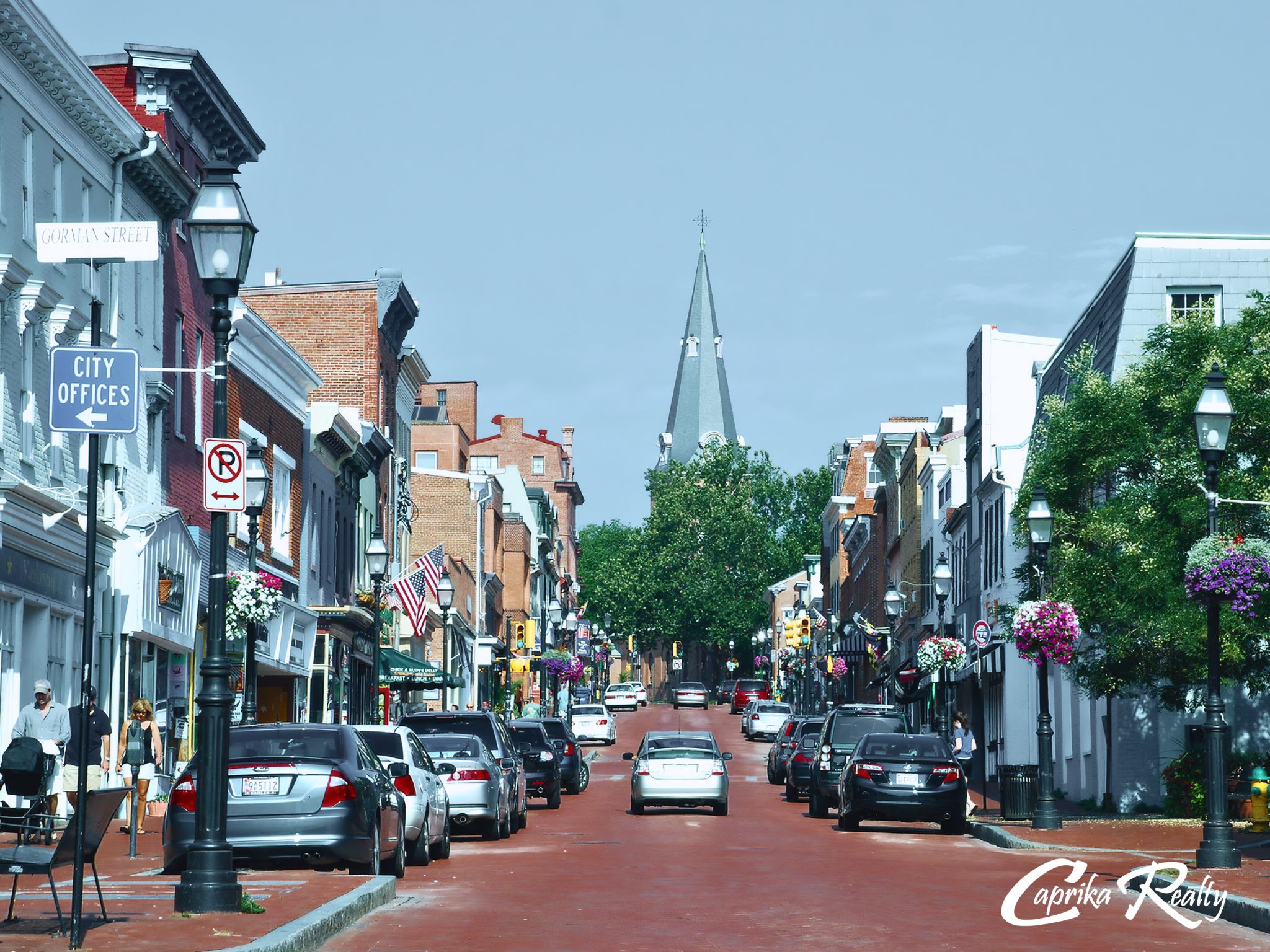
In the quaint colonial streets of Annapolis, parking is a perpetual headache. Historic downtown was not built for the modern volume of cars, and it shows. Street parking is limited and often restricted to residents or short-term metered spots. Data from the city’s comprehensive plan highlights that at peak times, demand for parking outweighs supply downtown. The city issues far more residential parking permits than there are on-street parking spaces in those zones– meaning even locals with permits aren’t guaranteed a spot on their block. During busy weekday hours, most downtown curb spaces are occupied by vehicles parked all day (employees, etc.), making it tough for shoppers or visitors to find a space. And during summer weekends or events like the Boat Shows or Navy games, forget it – parking becomes a free-for-all hunt. Renters living in central Annapolis may find that their apartment doesn’t come with a dedicated parking spot, leaving them to rely on this competitive street parking. Homebuyers sometimes specifically seek properties with a driveway or garage (a rare commodity in the historic district) to avoid this struggle.
Costs & Enforcement: The city has several public garages (Gotts, Knighton, the brand-new Hillman Garage, etc.), but they can be pricey for everyday use – hourly rates can be around $2–$3 and daily max $20+. Residents can get somewhat discounted garage passes, but it’s still an expense to factor in. The Navy–Marine Corps Memorial Stadium offers a large parking lot with a free shuttle to downtown, intended to ease the crunch. However, previously the pricing and convenience of that lot did little to encourage drivers to park there instead of downtown (why pay and shuttle if you might find a closer street spot for free?). The city has been tweaking these strategies, and with the new Hillman Garage adding 161 spaces in 2023, there’s some relief. That garage also introduced modern systems like space counters and gateless entry to reduce congestion from circling cars. Annapolis is also studying dynamic pricing (charging more during peak times) to encourage turnover.
Tips for Residents Struggling with Parking:
Know Your Zones: If you’re a resident, apply for your neighborhood’s parking permit immediately upon moving in. It’s typically a modest annual fee and allows you to park in designated residential zones. Just understand it’s not a guarantee of a spot, especially at night. If you’re a renter, check with your landlord some units come with a permit for street parking or a shared lot.
Use Garages Strategically: For regular needs (work or daily errands), consider a monthly parking pass at a city garage. It can be around $100–$150 per month, but if street parking is a nightmare near you, this might save endless time and tickets. The garages are also free for the first 2 hours on weekends in winter, and sometimes the city offers free garage parking during snow emergencies or around holidays keep an ear out for those perks.
Park-and-Walk (or Shuttle): Embrace the fact that you might not park right at your destination. It’s often easier to park a 10-minute walk away than circling for 30 minutes in the heart of downtown. For example, you might park near the Navy Stadium (which often has ample space) and hop on the shuttle or stroll downtown. During big events, this is usually the best approach.
Alternative Transportation: Reduce your parking needs by using other ways to get around. Annapolis is a very walkable city in many areas if you live downtown, walking or biking to work/store can bypass parking stress entirely. There’s a free circulator trolley that loops around central Annapolis; if you live or park a bit outside the core, this trolley can ferry you in. Ridesharing (Uber/Lyft) for nights out is popular too, sparing you the hassle of finding a late-night spot.
Timing and Odd Spots: If you do need to snag street parking, learn the “insider” timing: for instance, many 2-hour metered spots are free and unlimited after certain hours (check signs). Arriving downtown earlier in the morning on weekends can secure you a legal spot that you can then keep for much of the day. Also, explore lesser-known parking areas e.g., some streets in Eastport or Murray Hill are a short walk over the bridge and often have spaces when downtown proper is full. Just be respectful of those neighborhoods’ rules.
Both homeowners and renters in Annapolis quickly learn that owning a car is one thing finding where to put it is another. By making smart use of the tools available (permits, garages, alternative transport), you can lessen the parking pinch. It may never be truly convenient to park in downtown Annapolis, but a little local savvy goes a long way.
5. A Lack of Comprehensive Public Transportation
Unlike larger cities, Annapolis does not have a rapid transit rail or extensive bus network to whisk you around. The city operates a local bus system (Annapolis Transit) that runs on about five routes plus two free downtown shuttles. These buses mainly serve the city and immediate surrounding areas, with routes connecting downtown to shopping centers, neighborhoods, and the mall. Coverage is limited: while about 75% of city residents live within a 5-minute walk of a bus stop, the service frequency and hours aren’t always convenient (buses might come only every 30-60 minutes and some routes stop running by early evening). There is no light rail or Metro access in Annapolis the closest you’ll find is the MARC commuter train or DC Metro station about 20+ miles away (New Carrollton for DC Metro, and Cromwell/Glen Burnie for Baltimore Light Rail). Essentially, if you don’t have a car, getting to Washington, D.C. or Baltimore from Annapolis requires a bus or shuttle to reach a train station, or taking a commuter bus all the way. For many, this patchwork is a deterrent, so they drive instead. The result is reflected in commuter stats: only around 5% of Annapolis commuters use public transit, whereas over 73% drive alone a stark contrast to cities with robust transit systems.
Comparison to Similar-Sized Cities: Annapolis’s population is just under 40,000. Cities of this size often have basic bus service, but many benefit from being integrated into a regional transit network. For instance, Frederick, MD (a slightly larger city) has local buses and also a MARC train line to D.C. Annapolis lacks such direct rail connectivity, despite its proximity to major cities. Other cities around 40k might have at least an Amtrak stop or a regional train; Annapolis has none. This means homebuyers who work in D.C. or Baltimore can’t rely on hopping a train from Annapolis they’re likely driving to a park-and-ride or all the way in. Renters without a car might manage day-to-day needs using local buses or biking, but intercity travel is a challenge. Even getting to BWI Airport requires either a car or a multi-step transit (bus to light rail or a shared shuttle service). The city’s own transit is also not comprehensive; many suburban job centers (like those along Riva Road or in surrounding Anne Arundel County) aren’t well-served by the Annapolis bus. In short, public transportation is usable for some local trips, but it’s not a complete solution for most people’s mobility needs in the area.

Tips and Alternatives for Commuting:
Park-and-Ride to Transit: Take advantage of park-and-ride lots to connect with regional transit. For instance, you can drive to New Carrollton Station (about a 25-minute drive west) to catch the DC Metro or an Amtrak/MARC train. Similarly, driving north ~30 minutes to the MARC station at Odenton or BWI rail station can get you on a train to Baltimore or DC. It’s not as ideal as having a station in town, but it can save you from driving the whole way and dealing with big-city parking.
Use Commuter Buses: If you work 9–5 in DC, the MTA commuter bus from Annapolis might be a good option. It runs from downtown and the park-and-ride and drops off near downtown DC. You can relax or work on the bus instead of white-knuckle driving on Route 50. Similarly, a commuter bus towards Baltimore could be useful. Check the MTA Commuter Bus schedules they often have subscription passes that make it affordable.
Carpool and Vanpool: Given the transit gaps, many Annapolis residents form carpools. As mentioned, programs like the Commuter Crew in the county help match riders and drivers. If you can find coworkers or fellow commuters in Annapolis, sharing the ride not only cuts costs but also lets you use HOV lanes on some highways. Some large employers (even the Naval Academy or state government offices) facilitate vanpools from Annapolis to work sites.
Maximize Local Options: Within the city, do use what is available. The Annapolis Transit buses, while limited, are very affordable (fares around $2 or less, and some circulator routes are free). If you live along a bus line, use it for commuting or errands to save gas and parking hassle. The city’s downtown shuttle (the Circulator) is free and convenient if you need to go from, say, Eastport parking to Main Street. Also, the Watermark water taxi (in summer) can even ferry you across the harbor a fun, if not daily, transit option.
Biking Infrastructure: While not perfect, Annapolis is slowly improving its bike network. For short trips, a bike can be faster than a car when you consider parking. There are bike racks downtown and some bike lanes appearing on main roads. Homebuyers with a bit of a yard might invest in a good bike and gear, and renters can often find indoor bike storage in newer buildings. Pair a bike with the local bus (all buses have bike racks) for a decent car-free strategy on occasion.
Telecommuting/Flex Work: If public transport is a no-go, see if your job allows work-from-home days. Many Annapolis residents negotiate a couple of remote days per week, which effectively eliminates some long commutes entirely. This is especially valuable if you’re driving to Northern Virginia or other tough commutes.
In summary, Annapolis’s public transportation won’t completely replace a car for most people it’s a drawback that means extra planning for residents. Homebuyers should budget for vehicle ownership (car payments, insurance, fuel) as part of living here, and renters might need to factor in a parking space or the cost of a car if they were hoping to rely on transit. By combining the modest transit that does exist with creative solutions like carpooling, one can mitigate the impact of this issue.
Alternatives to Annapolis
Love the Chesapeake Bay region but not the traffic or high costs of Annapolis? There are nearby cities and towns that offer a similar charm with potentially fewer drawbacks. Here are a few alternatives to consider:
Frederick, MD: If you cherish historic architecture and a vibrant downtown, Frederick could be a fit. It’s farther inland (about an hour west of Baltimore) with a beautifully preserved downtown and a lively arts scene. Pros: Housing is more affordable about 12% lower overall cost than Annapolis, and homes cost ~35% less on average. The climate is slightly less humid without the Bay’s influence, and importantly, Frederick has MARC commuter train service to D.C., offering a rail transit option Annapolis lacks. Traffic in Frederick exists but is generally less intense than the Annapolis/DC corridor. Cons: No waterfront (Frederick has the Monocacy River and C&O Canal, but it’s not the Bay), and if you work in D.C. or Annapolis, the commute is still significant (though MARC can help with D.C.). Frederick’s cost of living is rising too, but it remains lower than Annapolis while providing great schools and community events.
Havre de Grace, MD: This small city at the head of the Chesapeake Bay exudes maritime charm. Havre de Grace (population ~13,000) has a quaint downtown, waterfront promenade, and rich history (it nearly became the U.S. capital in 1789!). Pros: It offers a waterfront lifestyle at a fraction of Annapolis’s cost by one comparison, cost of living is about 15% cheaper than Annapolis. You can find lovely historic homes or newer condos often for far less than comparable Annapolis properties. Traffic is generally light, aside from some congestion on nearby I-95. For transit, Havre de Grace is near MARC/Amtrak stations (in Perryville and Aberdeen), making it possible to commute to Baltimore or Philadelphia. Cons: It’s smaller and quieter you won’t get the same number of restaurants, shops, or big events. Job opportunities in town are limited (though Aberdeen Proving Ground is nearby). And while summers are a tad cooler than Annapolis, it’s still quite humid being on the Bay. If you value a low-key vibe and affordability over big-city amenities, Havre de Grace is a hidden gem to consider.
Easton, MD (and other Eastern Shore towns): For those willing to be on the Eastern Shore of the Bay, Easton provides small-town charm with art galleries, theaters, and fine dining often dubbed one of the best small towns in America. Pros: Easton (population ~17,000) has a slower pace, colonial charm, and significantly lower housing costs. The median home price in Easton (around $400K or lower by some estimates) and rental rates (~$1,000) undercut Annapolis sharply. Traffic is minimal in town. You’re still close to water activities (St. Michaels, Oxford, and Chesapeake beaches are short drives). Cons: Easton is more rural; crossing the Bay Bridge to reach D.C./Annapolis is a trek and can itself encounter traffic jams. Public transit is scant – you’d be driving to most places. Culturally, it’s lively for its size but certainly quieter than Annapolis, with less nightlife. Other Eastern Shore options like Chestertown, MD or Cambridge, MD offer similar pros (historic, affordable, on the water) with the cons of fewer jobs and amenities. These towns can be great for retirees, remote workers, or anyone who prioritizes cost and calm over city buzz.
Each of these alternatives has its own character, so it depends on what you value most. Frederick is great for commuters who want city amenities without Annapolis prices (minus the Bay). Havre de Grace and Eastern Shore towns offer that coveted waterfront living and history with less congestion and gentler prices, at the expense of convenience. It’s wise to visit and get a feel for these places. You might find that one of them checks your boxes providing the charm of an Annapolis-like environment (historic streets, water access, friendly community) but sidestepping some of Annapolis’s toughest challenges.
By tackling each challenge with a proactive mindset, you can greatly enhance your quality of life in Annapolis. Thousands of residents successfully navigate these drawbacks and still love calling Annapolis home. The key is understanding the quirks of the city and planning accordingly – once you do, you’ll be free to savor the sailboat-filled sunsets, colonial streets, and crab cake joints without the downsides weighing you down.